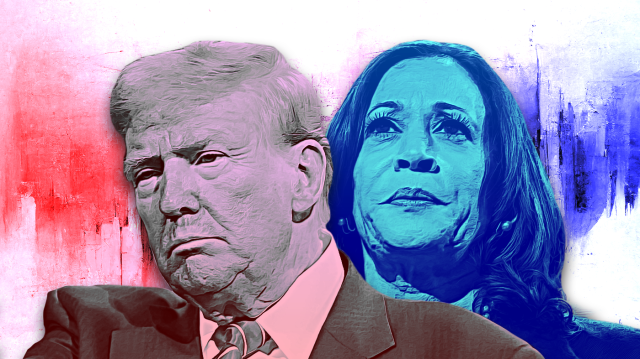
The undue political influence on Presidential Elections: Former FBI Agents Organizations and their political power –
#FBI #influence #elections
“Undue political influence” on presidential elections by both active and former FBI agents and their organizations is a subject of significant debate and public concern, with allegations that some individuals and organizations have at times acted in ways that were perceived as politically biased or as attempts to influence election outcomes. [1, 2]
Key points regarding the influence and political power of these groups include:Perceptions of Politicization: Public opinion regarding the FBI and its personnel has become increasingly polarized along partisan lines, with a significant percentage of voters believing the agency has been “politically weaponized”. This perception often stems from high-profile investigations related to presidential candidates, such as the Hillary Clinton email inquiry in 2016 or investigations into the Trump campaign’s ties to Russia.
Actions by Active and Former Agents:High-Profile Incidents: Specific incidents involving active agents, such as the text messages exchanged between former FBI officials Peter Strzok and Lisa Page that disparaged Donald Trump, fueled claims of political bias and undue influence.
.Public Statements and Advocacy:Organizations like the FBI Agents Association (FBIAA), which is nonpartisan but represents the interests of active agents, engage in legislative advocacy and have issued public letters raising concerns over matters they perceive as political interference in the bureau’s operations, such as the summary termination of agents without due process
Post-Government Activity: Former agents, once out of government service, are not bound by the same political activity restrictions (like the Hatch Act for most active agents) and may engage in political commentary or seek public office, contributing to the broader perception of the “political power” of the FBI community as a whole.
Formal Political Power Limitations: Active FBI agents are generally subject to the Hatch Act and Department of Justice policies that severely restrict their partisan political activities and the use of their official authority to interfere with or affect election results. The FBI officially emphasizes its commitment to protecting election integrity and conducting its mission without political bias.Historical Context: The FBI has a long history of being involved in political controversies, dating back to the J. Edgar Hoover era, highlighting the ongoing tension between ensuring law enforcement independence and preventing political manipulation. [1, 2, 3, 4, 5, 6, 7, 8, 9, 10, 11, 12, 13]
Ultimately, while formal organizations of former FBI agents do not hold direct, official power over the electoral process, their public statements, advocacy, and the actions of high-profile former agents contribute to a narrative and perception of influence that is often debated in the context of presidential elections. [12, 13]AI responses may include mistakes.
[1] congress.gov/118/meeting/hou…
[2] usatoday.com/story/news/poli…
[3] yahoo.com/news/articles/hist…
[4] justice.gov/jmd/political-ac…
[5] vox.com/the-big-idea/2016/11…
[6] time.com/6235552/the-fbi-has…
[7] fbi.gov/how-we-can-help-you/…
[8] hageman.house.gov/media/in-t…
[9] repository.lsu.edu/cgi/viewc…
[10] apmresearchlab.org/motn-fbi-…
[11] fbiaa.org/fbiaa-letter-to-co…
[12] abcnews.go.com/US/ahead-elec…
[13] en.wikipedia.org/wiki/FBI_Ag…
Google Search google.com/search?q=The+undu…— Michael Novakhov (@mikenov) Dec 9, 2025
Categories