
Your real PhD research on cancer biology depends heavily on the delivery of a Scientific research proposal that explicitly convinces a panel of experts on the relevance of research in the…
Day: May 3, 2025
These all-inclusive and award-winning spa weekend getaways offer unique treatments in stunning locations around the U.S.
Follow vote results as 27 candidates compete for San Antonio mayor, along with races in 10 City Council districts and other Bexar County contests.
What awaits Ramzan Kadyrov and his clan? https://t.co/qde2a6RROa
The South Caucasus News Review – https://t.co/KYGCUA0Nwy https://t.co/68VWXDt66g#SouthCaucasus #SouthCaucasusNews#Armenia #Azerbaijan #Georgia Armenia Azerbaijan Georgia https://t.co/dsqdwDp9id
Comprehensive,… pic.twitter.com/EEdG3GRkfH— Michael Novakhov (@mikenov) May 3, 2025
Categories
x.com/i/grok/share/1…
— Michael Novakhov (@mikenov) May 3, 2025
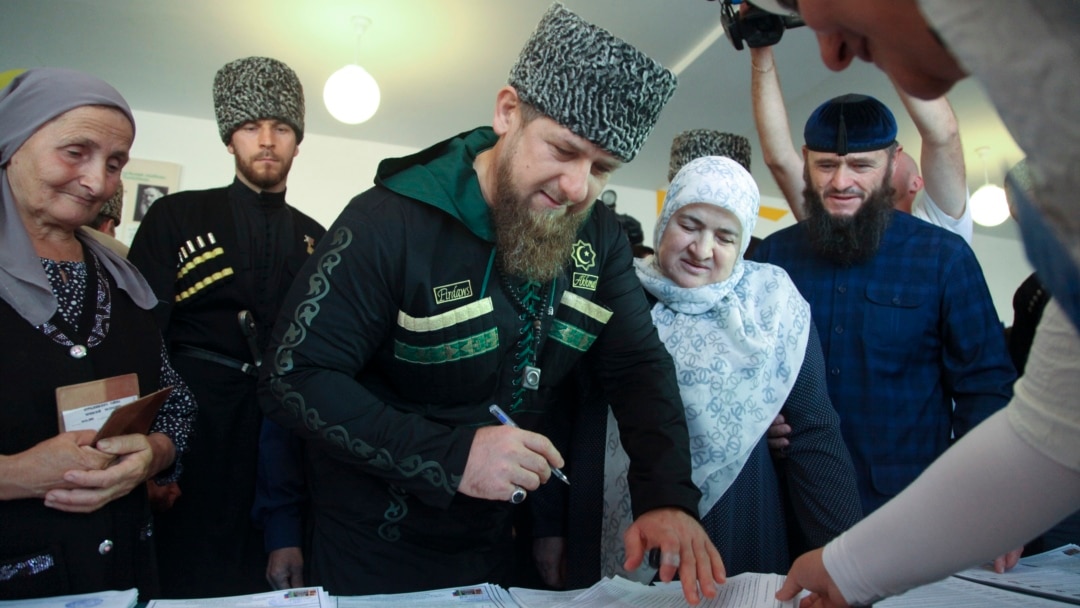
Images may be subject to copyright. Learn More
Grok
Predicting the future of Ramzan Kadyrov and his clan involves navigating a complex web of political, social, and personal dynamics in Chechnya and Russia. Based on recent developments and patterns, several factors could shape their trajectory, but any forecast is speculative and hinges on volatile circumstances. Here’s a grounded analysis of what might lie ahead, drawing on available insights and avoiding unfounded assumptions.
1. Kadyrov’s Health and Succession
-
Health Concerns: Reports have circulated about Kadyrov’s declining health, with claims of serious illnesses like pancreatic necrosis. His recent public appearances, where he appeared frail and struggled to speak, fuel speculation about his physical capacity to lead. If his health deteriorates further, it could force a transition of power sooner than anticipated.
-
Grooming Adam Kadyrov: Kadyrov has been positioning his 17-year-old son, Adam, for leadership, appointing him to high-profile roles like secretary of Chechnya’s security council and curator of the regional Interior Ministry. These moves suggest an attempt to establish a dynastic succession, but Adam’s youth and lack of independent authority could undermine his ability to consolidate power, especially among Chechnya’s rival clans or hardened security forces.
-
Challenges to Succession: Kadyrov’s grip on Chechnya relies on his personal charisma, Kremlin backing, and fear-based control. Adam may struggle to replicate this, particularly if Kadyrov’s health fails abruptly. Rival Chechen factions or Kremlin-appointed successors could challenge the Kadyrov clan’s dominance, potentially leading to internal power struggles.
2. Tensions with the Kremlin
-
Strained Relations: Kadyrov’s relationship with Vladimir Putin, while historically strong, shows signs of strain. Reports of secret meetings with Middle Eastern officials and public feuds with Russian lawmakers (e.g., the Wildberries dispute) have reportedly angered the Kremlin. The FSB allegedly informed Putin of Kadyrov’s “clandestine intentions,” raising suspicions of disloyalty.
-
Kremlin’s Options: Putin has relied on Kadyrov to maintain stability in Chechnya, but if trust erodes, the Kremlin might seek alternative leaders. Analysts suggest Moscow has “two or three candidates” to replace Kadyrov, which could sideline his clan if he’s perceived as a liability. However, replacing him risks destabilizing Chechnya, given Kadyrov’s loyalist forces and entrenched patronage networks.
-
Blood Feud and Defiance: Kadyrov’s declaration of a “blood feud” against Russian lawmakers and accusations of assassination plots signal growing defiance. This could either solidify his image as an untouchable strongman or provoke Moscow to curb his autonomy, possibly through sanctions, asset seizures, or a forced exit.
3. Chechnya’s Internal Dynamics
-
Clan Rivalries: Kadyrov’s rule has suppressed rival Chechen clans, but resentment lingers. If his power weakens, these factions could reemerge, challenging his family’s control. His harsh tactics, like expelling families of alleged attackers, deepen local grievances, potentially fueling insurgency.
-
Public Sentiment: Some Chechens view Kadyrov’s authoritarianism as alien to their culture of liberty. His mafia-style governance and lavish lifestyle contrast with widespread poverty, which could erode his legitimacy if Kremlin support wanes.
-
Insurgent Threats: Pro-Ukrainian Chechen rebels and others opposed to Kadyrov’s alignment with Moscow are reportedly organizing to challenge his rule. A weakened Kadyrov or a contested succession could embolden these groups, risking renewed conflict in Chechnya.
4. External Pressures
-
Ukraine Conflict: Kadyrov’s Akhmat battalion and Chechen forces have been heavily involved in Russia’s war in Ukraine, bolstering his image as a loyal Putin ally. However, drone attacks on Chechen soil, like those in Grozny, highlight vulnerabilities and could intensify if Ukraine escalates strikes. Kadyrov’s vows of revenge may draw Chechnya deeper into the conflict, straining resources and loyalty.
-
International Isolation: Kadyrov faces Western sanctions for human rights abuses and his role in Ukraine. These limit his financial maneuverability and could complicate any rumored plans to flee Russia, if such plans exist. His ties to Middle Eastern figures might offer an escape route, but reliance on foreign allies carries risks of betrayal or irrelevance.
5. Possible Scenarios
-
Dynastic Continuity: If Kadyrov stabilizes his health or maintains Kremlin favor, he could continue grooming Adam or other relatives (e.g., his daughter Ayshat, already honored for diplomatic roles) to sustain the clan’s rule. This would require neutralizing rivals and securing Moscow’s trust.
-
Forced Exile or Flight: Persistent health issues or Kremlin distrust could push Kadyrov to flee, as rumored. His wealth and Middle Eastern connections might facilitate this, but his clan’s influence in Chechnya would likely collapse without Kremlin backing.
-
Power Struggle or Collapse: Kadyrov’s death or removal could trigger chaos, with rival clans, Kremlin proxies, or insurgents vying for control. His clan’s fate would depend on their ability to retain loyalist forces and navigate Moscow’s intervention.
-
Gradual Marginalization: If Putin opts for stability, he might gradually reduce Kadyrov’s autonomy, elevating alternative Chechen leaders while keeping the Kadyrov clan as figureheads. This would erode their power without immediate conflict.
6. Kadyrov Clan’s Resilience
-
Patronage and Loyalty: The Kadyrov clan’s control over Chechnya’s security apparatus, economy, and media gives them significant leverage. Loyalists like the Akhmat battalion and appointed officials (including family members) could rally to protect their interests.
-
Wealth and Assets: Kadyrov’s reported wealth, from state funds and illicit ventures, provides a buffer. However, asset seizures or sanctions could limit their financial clout if Moscow turns against them.
-
Cultural Symbolism: Kadyrov’s promotion of Chechen identity and Islamic values, despite criticism, resonates with some. His clan’s ability to maintain this narrative could help them retain influence, even under pressure.
Conclusion
The future of Ramzan Kadyrov and his clan hinges on his health, Kremlin relations, and Chechnya’s internal stability. While Kadyrov has built a formidable power base, his vulnerabilities—health issues, Kremlin suspicions, and local resentment—could unravel his clan’s dominance. The most likely near-term outcome is a precarious balancing act: Kadyrov or Adam clinging to power with Moscow’s wary support, while fending off rivals and external threats. However, a sudden health crisis or Kremlin betrayal could precipitate a messier transition, potentially ending the Kadyrov clan’s reign. Long-term, their survival depends on adapting to Russia’s shifting political landscape and mitigating Chechnya’s latent volatility.
This analysis avoids definitive predictions, as the situation is fluid and speculative claims (e.g., Kadyrov’s imminent death or exile) lack hard evidence. If you’d like me to dig deeper into specific aspects—like Adam’s readiness or Chechnya’s clan dynamics—let me know!
Grok
Articles and Tweets
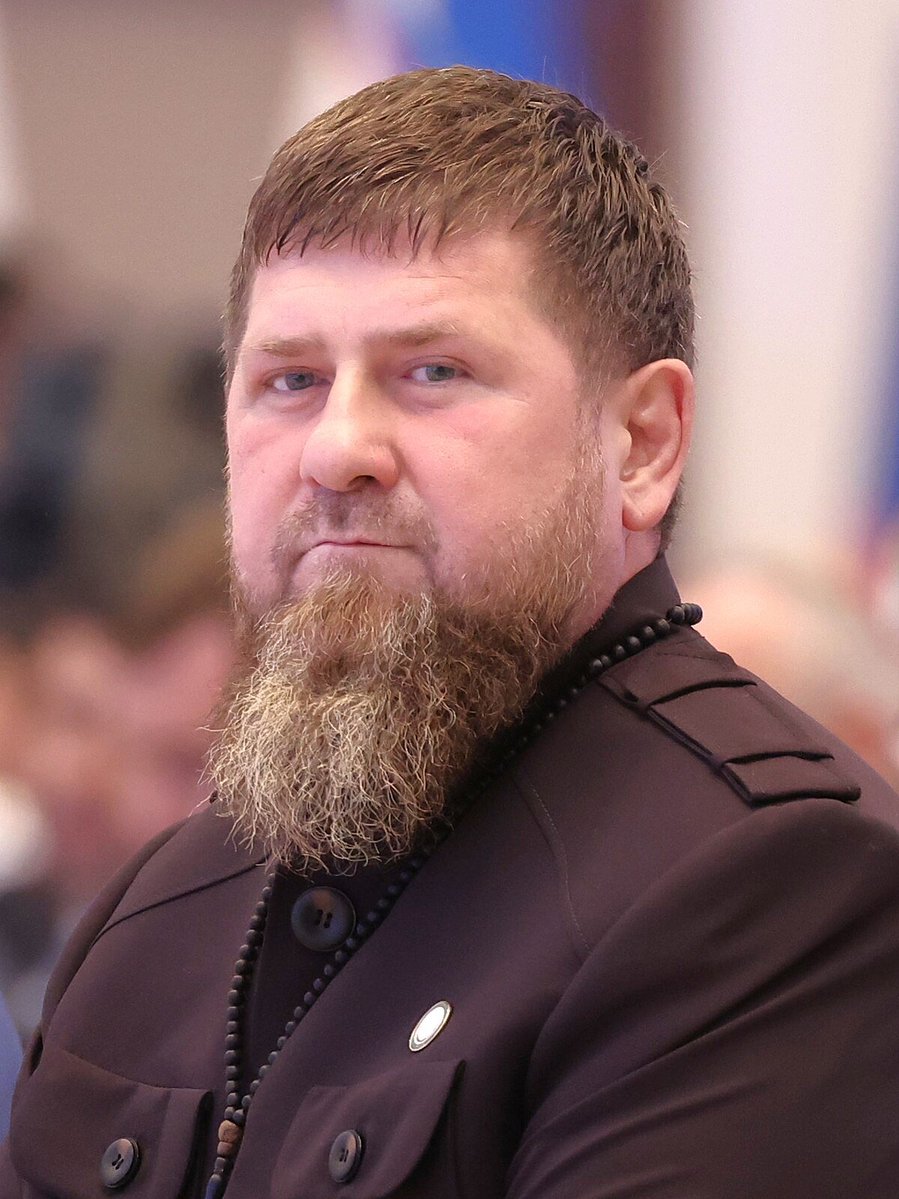
Images may be subject to copyright. Learn More
Grok
Predicting the future of Ramzan Kadyrov and his clan involves navigating a complex web of political, social, and personal dynamics in Chechnya and Russia. Based on recent developments and patterns, several factors could shape their trajectory, but any forecast is speculative and hinges on volatile circumstances. Here’s a grounded analysis of what might lie ahead, drawing on available insights and avoiding unfounded assumptions.
1. Kadyrov’s Health and Succession
-
Health Concerns: Reports have circulated about Kadyrov’s declining health, with claims of serious illnesses like pancreatic necrosis. His recent public appearances, where he appeared frail and struggled to speak, fuel speculation about his physical capacity to lead. If his health deteriorates further, it could force a transition of power sooner than anticipated.
-
Grooming Adam Kadyrov: Kadyrov has been positioning his 17-year-old son, Adam, for leadership, appointing him to high-profile roles like secretary of Chechnya’s security council and curator of the regional Interior Ministry. These moves suggest an attempt to establish a dynastic succession, but Adam’s youth and lack of independent authority could undermine his ability to consolidate power, especially among Chechnya’s rival clans or hardened security forces.
-
Challenges to Succession: Kadyrov’s grip on Chechnya relies on his personal charisma, Kremlin backing, and fear-based control. Adam may struggle to replicate this, particularly if Kadyrov’s health fails abruptly. Rival Chechen factions or Kremlin-appointed successors could challenge the Kadyrov clan’s dominance, potentially leading to internal power struggles.
2. Tensions with the Kremlin
-
Strained Relations: Kadyrov’s relationship with Vladimir Putin, while historically strong, shows signs of strain. Reports of secret meetings with Middle Eastern officials and public feuds with Russian lawmakers (e.g., the Wildberries dispute) have reportedly angered the Kremlin. The FSB allegedly informed Putin of Kadyrov’s “clandestine intentions,” raising suspicions of disloyalty.
-
Kremlin’s Options: Putin has relied on Kadyrov to maintain stability in Chechnya, but if trust erodes, the Kremlin might seek alternative leaders. Analysts suggest Moscow has “two or three candidates” to replace Kadyrov, which could sideline his clan if he’s perceived as a liability. However, replacing him risks destabilizing Chechnya, given Kadyrov’s loyalist forces and entrenched patronage networks.
-
Blood Feud and Defiance: Kadyrov’s declaration of a “blood feud” against Russian lawmakers and accusations of assassination plots signal growing defiance. This could either solidify his image as an untouchable strongman or provoke Moscow to curb his autonomy, possibly through sanctions, asset seizures, or a forced exit.
3. Chechnya’s Internal Dynamics
-
Clan Rivalries: Kadyrov’s rule has suppressed rival Chechen clans, but resentment lingers. If his power weakens, these factions could reemerge, challenging his family’s control. His harsh tactics, like expelling families of alleged attackers, deepen local grievances, potentially fueling insurgency.
-
Public Sentiment: Some Chechens view Kadyrov’s authoritarianism as alien to their culture of liberty. His mafia-style governance and lavish lifestyle contrast with widespread poverty, which could erode his legitimacy if Kremlin support wanes.
-
Insurgent Threats: Pro-Ukrainian Chechen rebels and others opposed to Kadyrov’s alignment with Moscow are reportedly organizing to challenge his rule. A weakened Kadyrov or a contested succession could embolden these groups, risking renewed conflict in Chechnya.
4. External Pressures
-
Ukraine Conflict: Kadyrov’s Akhmat battalion and Chechen forces have been heavily involved in Russia’s war in Ukraine, bolstering his image as a loyal Putin ally. However, drone attacks on Chechen soil, like those in Grozny, highlight vulnerabilities and could intensify if Ukraine escalates strikes. Kadyrov’s vows of revenge may draw Chechnya deeper into the conflict, straining resources and loyalty.
-
International Isolation: Kadyrov faces Western sanctions for human rights abuses and his role in Ukraine. These limit his financial maneuverability and could complicate any rumored plans to flee Russia, if such plans exist. His ties to Middle Eastern figures might offer an escape route, but reliance on foreign allies carries risks of betrayal or irrelevance.
5. Possible Scenarios
-
Dynastic Continuity: If Kadyrov stabilizes his health or maintains Kremlin favor, he could continue grooming Adam or other relatives (e.g., his daughter Ayshat, already honored for diplomatic roles) to sustain the clan’s rule. This would require neutralizing rivals and securing Moscow’s trust.
-
Forced Exile or Flight: Persistent health issues or Kremlin distrust could push Kadyrov to flee, as rumored. His wealth and Middle Eastern connections might facilitate this, but his clan’s influence in Chechnya would likely collapse without Kremlin backing.
-
Power Struggle or Collapse: Kadyrov’s death or removal could trigger chaos, with rival clans, Kremlin proxies, or insurgents vying for control. His clan’s fate would depend on their ability to retain loyalist forces and navigate Moscow’s intervention.
-
Gradual Marginalization: If Putin opts for stability, he might gradually reduce Kadyrov’s autonomy, elevating alternative Chechen leaders while keeping the Kadyrov clan as figureheads. This would erode their power without immediate conflict.
6. Kadyrov Clan’s Resilience
-
Patronage and Loyalty: The Kadyrov clan’s control over Chechnya’s security apparatus, economy, and media gives them significant leverage. Loyalists like the Akhmat battalion and appointed officials (including family members) could rally to protect their interests.
-
Wealth and Assets: Kadyrov’s reported wealth, from state funds and illicit ventures, provides a buffer. However, asset seizures or sanctions could limit their financial clout if Moscow turns against them.
-
Cultural Symbolism: Kadyrov’s promotion of Chechen identity and Islamic values, despite criticism, resonates with some. His clan’s ability to maintain this narrative could help them retain influence, even under pressure.
Conclusion
The future of Ramzan Kadyrov and his clan hinges on his health, Kremlin relations, and Chechnya’s internal stability. While Kadyrov has built a formidable power base, his vulnerabilities—health issues, Kremlin suspicions, and local resentment—could unravel his clan’s dominance. The most likely near-term outcome is a precarious balancing act: Kadyrov or Adam clinging to power with Moscow’s wary support, while fending off rivals and external threats. However, a sudden health crisis or Kremlin betrayal could precipitate a messier transition, potentially ending the Kadyrov clan’s reign. Long-term, their survival depends on adapting to Russia’s shifting political landscape and mitigating Chechnya’s latent volatility.
This analysis avoids definitive predictions, as the situation is fluid and speculative claims (e.g., Kadyrov’s imminent death or exile) lack hard evidence. If you’d like me to dig deeper into specific aspects—like Adam’s readiness or Chechnya’s clan dynamics—let me know!
Grok
Articles and Tweets

 April 30: Modi has cancelled his trip to Moscow for the parade. It has been announced that Indian Defense Minister will come instead.
  May 3: Indian Defense Minister has cancelled his trip to Moscow for the parade….

 New intel says that Syria’s transitional president, Ahmed al-Sharaa (Jolani), planning to flee to Turkey amid escalating tensions with Israel. This could empower the Druze, Kurds, and Alawites to declare independent states, potentially sharing Damascus as a neutral…
 Ukraine is ready for a ceasefire starting May 7, but for 30 days. If Russia doesn’t agree, there will be no ceasefire on May 9 Zelensky also stated that Ukraine cannot guarantee the safety of foreign leaders in Moscow on May 9: “Playing the game so that Putin could have the…
 Zelensky rejects Putin’s truce proposal as ‘theatrical,’ backs 30-day ceasefire plan from US. “They kill until the 7th, pause for a couple of comfortable days, then start attacking again on the 11th,” he said. kyivindependent.com/zelensky-rejec…
The post What awaits Ramzan Kadyrov and his clan? first appeared on The World Web Times – wwtimes.com.
What awaits Ramzan Kadyrov and his clan? – Google Search https://t.co/LGd7N9grwS
South Caucasushttps://t.co/dvBMZVwUJ0
AI Overviewhttps://t.co/k2wwZXnA4c
Ramzan Kadyrov and his “Kadyrovites” paramilitary forces face a future potentially marked by international scrutiny and… pic.twitter.com/0JrEXgYo5g— Michael Novakhov (@mikenov) May 3, 2025
What awaits Ramzan Kadyrov and his clan? – Google Search google.com/search?q=What+… South Caucasus google.com/collections/s/… AI Overview google.com/search?q=What+… Ramzan Kadyrov and his “Kadyrovites” paramilitary forces face a future potentially marked by international scrutiny and…