Categories
The News And Times Blog

Review of the some of the past posts and tweets on Butler Farm Show and the Trump’s Right ear wound

Michael Novakhov @mikenov on Butler Farm Show

Michael Novakhov @mikenov on Trump’s right ear

Posts

Tweets


– 

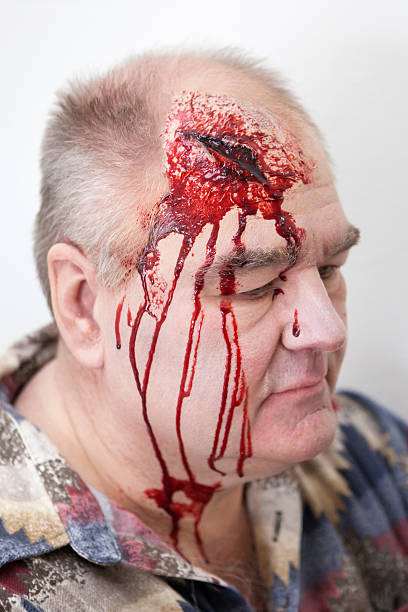
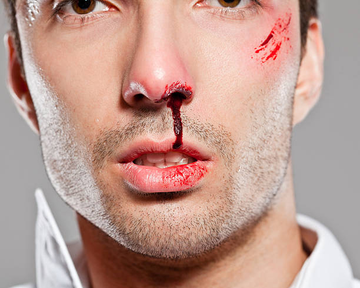
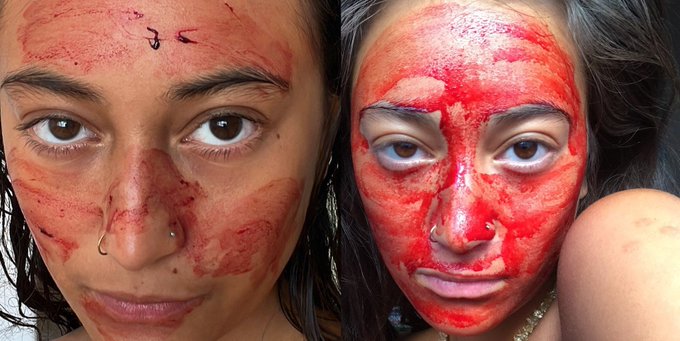
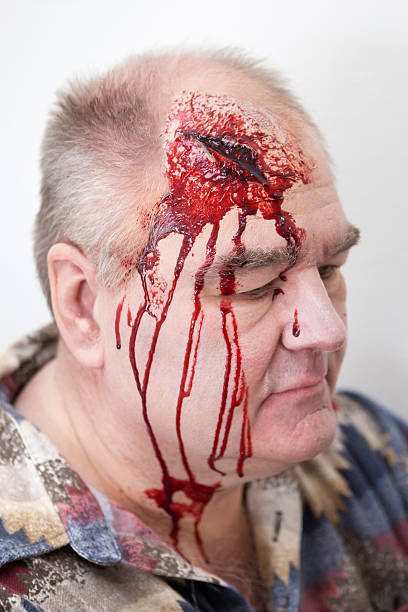
The stain on Trump’s ear (Left) appears to be brighter, thicker, and with wider, glossier streaks than the random comparison photo (Right)
x.com/mikenov/status
Quote
Michael Novakhov
@mikenov
blood on the face – Google Search google.com/search?newwind


Categories
The News And Times Blog

Forensic analysis of Doug Mills’ image: – AI Review: The FBI investigation did not publicly confirm or deny that the image shows a bullet. The FBI did not uncover a clear motive or identify any accomplices. The use of this photo “in a formal FBI ballistics analysis would be limited due to the inherent limitations of analyzing bullets from photographs.”


My Opinion: This Doug Mills’ image, as fascinating as it is, does not show or explain much. The camera’s special settings geared to capture this image, were set in advance, accidentally or not, which might indicate the prior preparations. 
It looks like the Butler Farm Show shooting was not adequately investigated and it needs further work. The FBI’s motivation to get to the bottom of this case is questionable. 

My impression remains that it does not look like the gunshot wound to right ear, which healed miraculously in no time. 

What is the nature and characteristics of this mysterious projectile? 

Could it be the paintball pellet or the similar object? 

See also: 


Synopsis of the AI Review

Forensic analysis of Doug Mills’ image of a bullet flying past Trump’s head during the July 2024 assassination attempt – AI Review

In Conclusion
While Doug Mills’ photo is a compelling image, its use in a formal FBI ballistics analysis would be limited due to the inherent limitations of analyzing bullets from photographs. It could, however, play a supporting role in a broader investigation by providing corroborating or contextual information.
The FBI investigation did not publicly confirm or deny that the image shows a bullet.
The FBI did not uncover a clear motive or identify any accomplices.
_________________________________
The FBI investigated the assassination attempt on former President Donald Trump during a rally in Butler, Pennsylvania on July 13, 2024. A photograph taken by New York Times photographer Doug Mills appears to show a bullet flying past Trump’s head, captured just before it grazed his ear. 
Here’s what’s known about the FBI investigation related to this image:
1. FBI’s focus:
  • The FBI’s investigation centered on the attempted assassination of the former President, including identifying and apprehending the shooter.
  • They investigated the circumstances of the shooting and examined the weapon used. 
2. Verification of the image:
  • While a retired FBI special agent, Michael Harrigan, stated that the image captured by Mills appears to show a bullet’s path, there’s no indication that the FBI publicly confirmed or denied that the image shows a bullet.
  • However, the FBI did examine the raw image file provided by Mills and a forensic expert verified it. 
3. Findings of the investigation:
  • The FBI identified the shooter as 20-year-old Thomas Matthew Crooks.
  • They confirmed that Crooks used an AR-15-style rifle.
  • The Secret Service neutralized the shooter at the scene. 
In summary: The FBI’s investigation focused on the attempted assassination itself, and while they did examine the image taken by Doug Mills, their investigation did not publicly confirm or deny that the image shows a bullet. The retired FBI agent’s statement suggests that the image likely does depict a bullet’s path, but it’s important to note that this is not an official confirmation from the FBI. 
AI Mode is experimental and can make mistakes. Learn more

FBI forensic analysis of Doug Mills’ image of a flying bulletAI Mode

While Doug Mills’ photograph of a bullet seemingly whizzing past former President Trump at a rally is a striking image, its value for in-depth forensic ballistics analysis is limited. 
Here’s why:
Limitations of Analyzing Bullets from Photographs
  • Lack of Detail: A still image of a fast-moving bullet, like the one in Mills’ photograph, is likely to be blurry, hindering detailed analysis of its surface characteristics.
  • No Individualizing Characteristics: Microscopic markings on a bullet, crucial for firearm identification (like matching it to a specific gun), cannot be captured by such an image.
  • Limited Trajectory Information: A single point in the bullet’s flight path, as seen in the photo, doesn’t provide enough information to fully determine its trajectory.
  • Impractical Velocity Determination: Without specialized high-speed imaging and calibration, accurately determining the bullet’s velocity from a photograph is difficult. 
How the FBI Might Use Such an Image (If at all)
  • Corroborating Evidence: The image could potentially be used as corroborating evidence, alongside other evidence like recovered bullets, cartridge casings, and the firearm used in the incident.
  • General Information: The image might provide some general information about the bullet’s class characteristics, such as its size and shape, but it won’t offer the level of detail needed for a definitive analysis.
  • Crime Scene Reconstruction: The image could be a part of a larger effort to reconstruct the crime scene and establish the events that transpired. 
What is Forensic Ballistics Analysis?
Forensic ballistics is a crucial part of criminal investigations, focusing on the analysis of firearms and projectiles. 
Key aspects include:
  • Firearm Identification: Matching bullets and cartridge cases to specific firearms by examining unique microscopic markings.
  • Trajectory Analysis: Determining the path of a bullet from the firearm to its point of impact, often using tools like trajectory rods and lasers.
  • Shooting Distance Determination: Estimating the distance between the shooter and the target. 
In Conclusion
While Doug Mills’ photo is a compelling image, its use in a formal FBI ballistics analysis would be limited due to the inherent limitations of analyzing bullets from photographs. It could, however, play a supporting role in a broader investigation by providing corroborating or contextual information. 
AI Mode is experimental and can make mistakes. Learn more
FBI Investigation of Butler Farm Show shooting of July 13, 2024
The FBI investigated the July 13, 2024 shooting at the Butler Farm Show in Butler, Pennsylvania, where former President Donald Trump was holding a rally

. 

Here’s a summary of the FBI’s investigation:
1. Initial Response and Focus:
  • The FBI immediately took the lead as the primary federal law enforcement agency in the investigation.
  • The investigation focused on determining the sequence of events, the shooter’s movements before the shooting, and establishing a motive, while also considering it as a potential act of domestic terrorism. 
2. Shooter and Timeline:
  • The shooter was identified as 20-year-old Thomas Crooks.
  • Crooks was killed at the scene by a Secret Service counter-sniper.
  • Crooks had legally purchased the firearm used in the shooting.
  • He was not previously known to the FBI. 
3. Investigation Activities:
  • Interviews: The FBI conducted nearly 1,000 interviews with law enforcement personnel, event attendees, witnesses, and others.
  • Evidence Collection: They searched Crooks’s residence and vehicle, seizing potential evidence, including suspicious devices rendered safe by bomb technicians.
  • Digital Analysis: The FBI successfully accessed Crooks’s phone and analyzed his electronic devices and online activity for insights into his motives and planning.
  • Review of Digital Media: The FBI reviewed hundreds of digital media tips, including photos and videos from the scene. 
4. Findings:
  • Motive: While the investigation provided insights into Crooks’ mindset and preparation, the FBI did not definitively establish a motive for the shooting.
  • No Known Accomplices: The FBI found no evidence of co-conspirators or individuals with prior knowledge of Crooks’ plan.
  • Online Activity: Crooks’s online searches revealed a sustained effort to research potential targets, which eventually focused on the Butler rally. 
5. Cooperation:
  • The FBI coordinated with local, state, and other federal partners in the investigation.
  • Crooks’ family members were cooperative with the FBI. 
In summary: The FBI’s investigation into the Butler Farm Show shooting involved extensive interviews, evidence collection, digital analysis, and collaboration with various agencies. While the investigation revealed details about Crooks’ planning and mindset, it did not uncover a clear motive or identify any accomplices. 
AI Mode is experimental and can make mistakes. Learn more


Forensic Analysis of Doug Mills’ Bullet Photograph
Doug Mills, a New York Times photographer, captured a remarkable image during the July 2024 assassination attempt on Donald Trump. The photo appeared to show a bullet in mid-air, seemingly flying past Trump’s head at a rally in Pennsylvania. 
Authenticity & Initial Assessment:
  • The authenticity of the photo was quickly scrutinized due to the seemingly improbable nature of capturing such a moment.
  • However, The New York Times confirmed the authenticity of the photo and published articles detailing the image and its analysis.
  • An FBI forensic expert confirmed the image showed a bullet, and analysis by a retired FBI special agent, Michael Harrigan, concluded it likely captured “the displacement of air due to a projectile,” according to The New York Times.
  • Experts noted that while capturing a bullet in flight with a standard camera is extremely rare, the circumstances and Mills’ equipment made it plausible. 
Technical Details & Analysis:
  • Mills was using a Sony camera capable of capturing images at up to 30 frames per second.
  • He took the photos with a shutter speed of 1/8,000th of a second, which is exceptionally fast for standard photography.
  • This fast shutter speed allowed the camera to freeze the motion of the bullet.
  • Given the speed of bullets fired from an AR-15 style rifle (roughly 3,200 feet per second) and the shutter speed used, the bullet could have traveled approximately four-tenths of a foot while the shutter was open. 
Controversies & Debates:
  • Despite the evidence supporting its authenticity, some individuals questioned the veracity of the image and suggested it might be doctored.
  • Skepticism arose regarding the unlikelihood of capturing a bullet with a standard camera and the precise timing required.
  • Conspiracy theories emerged, questioning Mills’ knowledge of the event and motives behind capturing the photograph.
  • However, the photo’s authenticity was confirmed by multiple sources, including forensic experts, and the image remains a significant piece of visual evidence from the assassination attempt. 
Significance & Impact:
  • Mills’ photograph became an iconic image, documenting a pivotal moment in American political history.
  • It demonstrated the power of photography to capture unexpected and dramatic events.
  • The photo earned Mills a Pulitzer Prize for breaking news photography in 2025. 
Note: It’s important to distinguish between analysis verifying the photo’s authenticity and interpretation of its meaning and context. While the image is confirmed to be genuine, various narratives and opinions surrounding the event and the photograph continue to circulate. 
AI Mode is experimental and can make mistakes. Learn more

Based on information available up to early May 2025, here’s an analysis of the photograph taken by Doug Mills during the assassination attempt on Donald Trump on July 13, 2024:

  1. The Photograph:

    • Doug Mills, a Pulitzer Prize-winning photographer for The New York Times, captured a series of images during the rally in Butler, Pennsylvania, where the assassination attempt occurred.1
    • One specific photograph appears to show a bullet (or the streak caused by its passage) in the air, slightly behind and to the right of Donald Trump’s head, captured just as or immediately after he was struck.2
    • Mills was using a Sony A1 camera, which can shoot up to 30 frames per second.3 The metadata for the specific photo indicates it was taken with a very fast shutter speed of 1/8000 of a second and a wide aperture of f/1.6.
  2. Verification and Forensic Analysis:

    • FBI Verification: According to Doug Mills and reports from CBS News, Mills sent the raw image file to The New York Times.4 An FBI forensic expert subsequently examined the image and verified that the object depicted was indeed the bullet.
    • The New York Times Analysis: The New York Times conducted its own detailed analysis combining bullet trajectory information, video footage, Mills’s photographs, and audio analysis (with expert Rob Maher from Montana State University). Their findings strongly suggested that the object in Mills’s photo was the first of eight bullets fired by the shooter. This analysis indicated the bullet grazed Trump’s ear before continuing on to strike the bleachers behind him. The trajectory analysis supported the conclusion that Trump was hit directly by the bullet, not by shrapnel from an object struck first.
  3. Technical Aspects and Discussion:

    • Camera Settings: The fast shutter speed ($1/8000$s) was essential for capturing such a fast-moving object. This setting, combined with the wide f/1.6 aperture (likely used to achieve a shallow depth of field and manage bright daylight conditions), allowed the camera to freeze motion effectively enough to capture the bullet’s image or path.
    • Debate/Speculation: While the FBI and NYT analysis confirmed it as the bullet, some online discussions debated whether the image showed the physical bullet or a related phenomenon like a condensation or cavitation trail caused by the bullet disturbing humid air. However, expert verification points to it being the projectile itself. Claims suggesting the camera settings implied foreknowledge of the event by the photographer have been debunked; the settings, while fast, are plausible for professional photographers needing to freeze potential action in bright light.
  4. Impact and Recognition:

    • The photograph quickly became iconic, often referred to as “the bullet photo.”
    • Doug Mills won the 2025 Pulitzer Prize for Breaking News Photography for his sequence of photos capturing the assassination attempt, including this specific image.5

In summary, forensic analysis by the FBI and a detailed investigation by The New York Times confirmed that Doug Mills’s photograph captured the actual bullet that grazed Donald Trump during the July 2024 assassination attempt. The remarkable image was made possible by Mills’s professional equipment, specific camera settings (notably a very high shutter speed), and his position near the stage.6

Gemini 

https://gemini.google.com/app/551ff6ac9f75237e

Streak Analysis
I’m focusing on understanding the nature of the streak captured in Doug Mills’ photograph. I’m looking for information on whether this streak is the bullet itself, a vapor trail, or some other phenomenon related to the bullet’s high-speed travel. This involves searching for discussions on the physics and optics of photographing bullets.

Expert Opinions
I’m trying to find if any forensic experts or ballistics photographers have offered detailed analyses of this specific image, particularly regarding the streak. Their insights could provide a more definitive explanation of what the photograph actually depicts.

Limitations of Interpretation
I will also investigate if there are any discussions about the limitations of interpreting such a photograph. This includes understanding potential distortions or optical effects that might influence how the bullet and its trajectory appear in the image.

Further Search Strategy
Given the continued direction to research, I will now try to find highly specific terminology related to visual phenomena around projectiles that might be used by forensic image analysts or ballistics photographers. I will also search for specific named experts in these fields who might have commented on the photograph.

Expert Verification
It’s been consistently reported that an FBI forensic expert analyzed Doug Mills’ photograph and confirmed that the streak captured is indeed a bullet. This adds significant weight to the image’s authenticity.

Camera Technology
The photographer used a Sony Alpha 1 camera with a very fast shutter speed of 1/8000 of a second. This advanced technology was crucial in freezing the motion of the high-speed bullet, making it visible in the frame.

Pulitzer Recognition
The photograph’s significance is underscored by the fact that Doug Mills received the 2025 Pulitzer Prize for Breaking News Photography for this image, recognizing its pivotal role in documenting the assassination attempt.

Continuing the Search
Despite previous efforts, I will make one final attempt to find any information regarding the specific scientific composition or nature of the ‘streak’ visible in the photograph. I will focus on searching for named experts in forensic photography or ballistics imaging who might have provided commentary on this particular detail.

Final Search Strategy
Given the limitations of the available tools, I will now try a different approach to see if I can find any new information about the ‘streak’ in Doug Mills’ photo. I will focus on searching for discussions within specialized ballistics forums or optical engineering communities that might have analyzed the image in detail. I will also try searching for the image itself combined with highly technical terms related to high-speed photography to see if any niche analyses exist.

Technical Photography Insights
I’ve found discussions among photographers regarding the fast shutter speed used by Doug Mills (1/8000th of a second). This setting, combined with a wide aperture, was likely chosen to freeze the action and separate the subject from the background, which inadvertently allowed the capture of the bullet’s streak. Some speculate the streak might be due to cavitation of humidity in the air behind the bullet, similar to the effect seen with supersonic jets.

Trajectory Analysis
Analysis of the photograph suggests the bullet grazed Trump’s ear and then continued to strike bleachers behind him. This trajectory was determined by examining the bullet’s path in the image, Trump’s reaction in video footage, and the location of impact on the bleachers. This analysis indicates the bullet traveled in a straight line, suggesting it wasn’t significantly deflected before hitting Trump.

Continuing the Investigation
To further understand the specifics of the streak and the bullet’s interaction with the air, I will now try to find any government technical reports or publications that might discuss the visual characteristics of projectiles captured in high-speed photography. I will also look for any technical discussions by Doug Mills himself beyond the initial interviews.

GFJC | New in the Research Forensic Library archive, one of ...
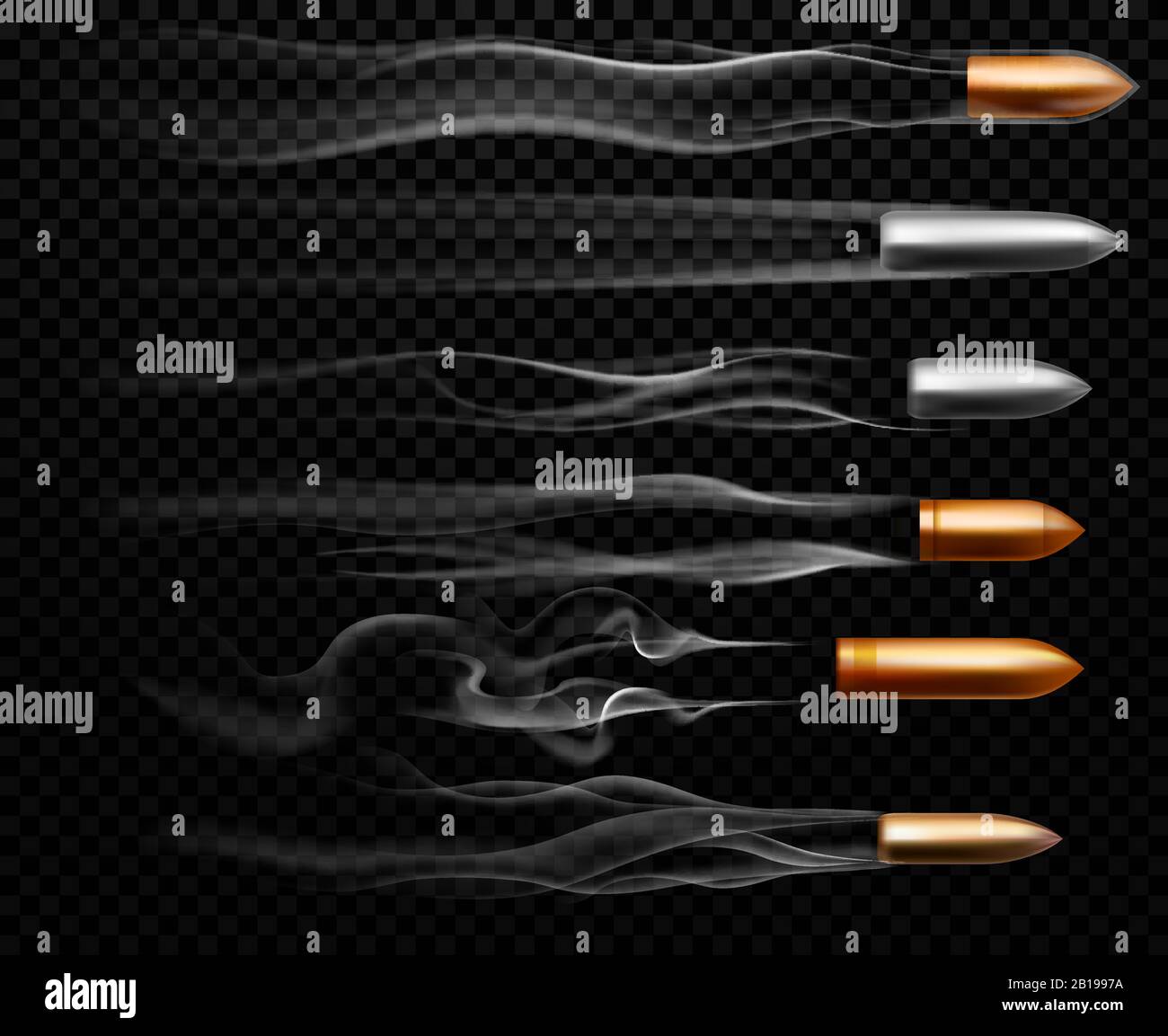
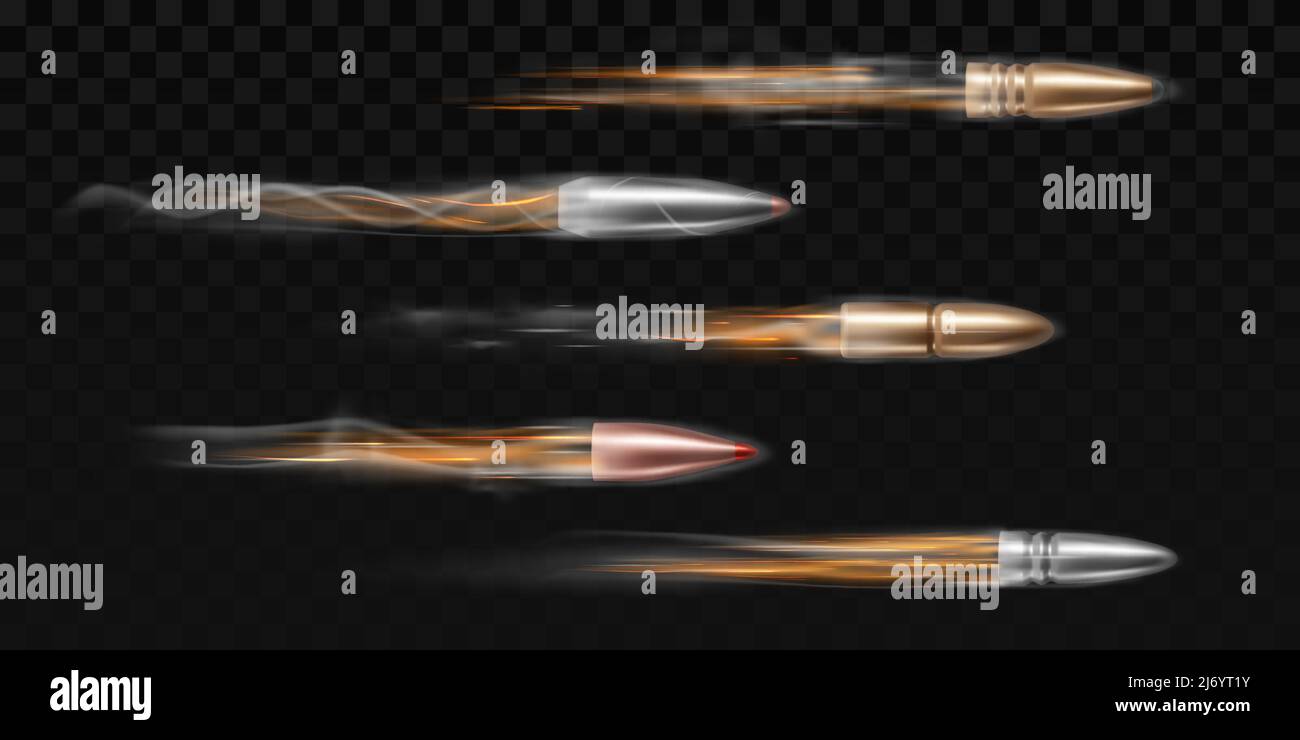
Bullet trace hi-res stock photography and images - Alamy

AI Overview

Forensic analysis of images of a flying bullet, especially using high-speed cameras, helps reconstruct the trajectory and understand the impact of projectiles. This includes analyzing the bullet’s path, speed, and how it interacts with different materials. [1, 1, 2, 2]


Here’s a more detailed breakdown:


1. Trajectory Reconstruction: [1, 1]
  • High-speed cameras: These cameras capture images of bullets in flight at a very high frame rate, allowing for detailed analysis of their movement. [1, 1]
  • Visual analysis: Examining the bullet’s path in the images helps determine the trajectory, angle of impact, and direction of travel. [1, 1, 3, 3]
  • Software tools: Specialized software can be used to overlay trajectory lines and calculate the bullet’s flight path, providing more accurate information than visual analysis alone. [2, 2]
2. Impact Analysis: [3, 3]
  • Bullet deformation: Analyzing how the bullet deforms as it travels through a material can reveal information about the material’s properties and the force of the impact. [3, 3, 4, 5]
  • Entrance and exit holes: Examining the shape and appearance of the entrance and exit holes can provide clues about the direction of travel and the angle of impact. [3, 3]
  • Bullet lead analysis: Comparing the elemental composition of bullets recovered from a crime scene with those found in a suspect’s possession can be useful when no weapon is recovered or when bullets are too damaged to observe striations. [6, 6]
3. Firearm Identification: [7]
  • Striation marks: Comparing the marks left on the bullet by the barrel of the firearm to a test bullet fired from a suspect’s weapon can help identify the firearm used. [7]
  • Comparison microscopes: These microscopes allow for side-by-side comparison of striation marks on bullets, revealing any similarities or differences. [7]
  • NIST Standard Bullet and Cartridge Case: These standards are used to calibrate instruments and ensure the accuracy of forensic examinations. [8]
4. Other Forensic Techniques: [9, 9]
  • Forensic radiology: X-ray analysis can be used to locate and examine bullets embedded in the body or other materials. [9, 9, 10, 11]
  • Bullet trajectory rods: These rods, often used with lasers, are used to visually map the bullet’s path from the entry point to the exit point, providing more accurate information about the direction and angle of the shot. [12, 12, 13]
5. Importance of Expertise: [2, 2]
  • Forensic analysts require extensive training and experience to interpret and analyze ballistic evidence effectively.
  • The knowledge of physics, mathematics, and firearm mechanics is essential for conducting thorough investigations. [2, 2]


Generative AI is experimental.


Forensic analysis of image of a flying bullet

Forensic analysis of an image of a flying bullet can be a complex process, but it can potentially yield valuable information in criminal investigations. Here’s a breakdown of how such an image might be analyzed and the information that could be gleaned:


1. Image Acquisition and Authentication:
  • Originality: The first step is to ensure the image is authentic and not manipulated. This might involve examining metadata, conducting digital forensics, and potentially comparing it with other images or videos from the scene.
  • Provenance: It’s critical to determine where the image came from, who took it, and the circumstances under which it was captured. 
2. Image Analysis Techniques:
  • High-Speed Photography/Videography: If available, high-speed footage of the bullet in flight is ideal. This allows for frame-by-frame analysis of the projectile’s motion and trajectory, according to Kron Technologies.
  • Trajectory Reconstruction: Experts can analyze the bullet’s path in the image, potentially using photogrammetry and/or specialized software to reconstruct its trajectory. This can help determine the:
    • Firing Position: By extending the bullet’s path backward, the potential location of the shooter can be estimated.
    • Angle of Fire: The angle at which the bullet was fired can also be determined, which can further refine the shooter’s possible location.
  • Bullet Characteristics: If the image is clear enough, analysts might be able to gather information about the bullet itself:
    • Caliber: The bullet’s size and shape may be discernible, allowing for an estimation of the caliber.
    • Type: If there are distinguishing features, such as jacketed or hollow-point, the bullet type might be identified.
    • Deformation: Any deformation of the bullet, potentially indicating impact with a surface, could also be analyzed.
  • Contextual Clues: The image might also contain valuable contextual information:
    • Environment: Analysis of the background in the image could provide clues about the shooting location.
    • Objects: The presence and location of other objects in the image might help reconstruct the crime scene.
    • Victim/Target: If the victim or target is visible in the image, its position relative to the bullet’s trajectory could provide critical information. 
3. Potential Insights:
  • Reconstructing the Crime: By piecing together the information gathered from the image, analysts can potentially reconstruct the crime scene, gaining insights into the events that unfolded.
  • Identifying the Shooter: Trajectory analysis, combined with other evidence, might help investigators pinpoint the shooter’s location and even provide clues about their identity.
  • Corroborating Witness Statements: The analysis of the image can either support or contradict witness testimonies, providing a more objective view of what happened.
  • Determining the Weapon Used: The type of bullet observed in the image could give clues about the type of firearm used.
  • Confirming or Refuting Theories: The information derived from the image analysis can be used to test different theories about the crime. 
Important Considerations:
  • Image Quality: The clarity and resolution of the image are paramount. A blurry or low-quality image may be of limited use.
  • Expertise: Analyzing images of flying bullets requires specialized knowledge of ballistics, image analysis, and potentially photogrammetry.
  • Limitations: Image analysis can only provide a partial picture. It’s crucial to consider other evidence alongside the analysis of the image. 
AI Mode is experimental and can make mistakes. Learn more


That’s a fascinating area! Analyzing an image of a flying bullet for forensic purposes is complex and typically doesn’t provide definitive answers on its own. However, when combined with other evidence and techniques, it can offer valuable insights. Here’s a breakdown of what forensic analysis of such an image might involve and its limitations:

Potential Information and Analysis:

  • Bullet Shape and Type: Depending on the image’s clarity and resolution, a forensic examiner might be able to discern the general shape and potentially some class characteristics of the bullet (e.g., round nose, hollow point, jacketed). This could help narrow down the possible calibers and types of ammunition used.
  • Deformation: If the bullet is visibly deformed in flight (which is unlikely unless it has already struck something), it might suggest impact with an intermediate object.
  • Trajectory (Limited): A single image of a bullet in flight provides very limited information about its trajectory. To determine the path of the bullet, investigators typically rely on:

    • Impact Marks: Analyzing bullet holes and damage at the scene.
    • Wound Ballistics: Examining wounds on a victim.
    • Laser Trajectory Kits: Using lasers to trace the path.
    • 3D Scanning: Creating detailed 3D models of the scene.
    • Mathematical Calculations: Based on entry and exit points.
  • Velocity (Extremely Difficult): Determining the bullet’s velocity from a still image is exceptionally challenging and generally not reliable without sophisticated equipment capturing the event. High-speed photography or videography with known time references would be necessary for any velocity estimation.
  • Relationship to Firearm (Impossible from the Image Alone): An image of a flying bullet cannot link it back to a specific firearm. Firearm identification relies on the unique microscopic markings left on the bullet and cartridge case by the firearm’s components (barrel, firing pin, breech face, etc.). This requires examining recovered bullets and cartridge cases under a comparison microscope and comparing them to test fires from a suspect weapon.

Image Analysis Techniques that Might Be Applied (Though Not Directly to the Flying Bullet Itself):

  • Photogrammetry: If the image captures the bullet in relation to fixed objects in the scene with known dimensions, photogrammetry could potentially be used to estimate the bullet’s position in 3D space at that specific moment. However, this is still a snapshot and doesn’t reveal the full trajectory.
  • Image Enhancement: Techniques could be used to improve the visibility of the bullet in the image, but this is more for documentation than detailed forensic analysis of the bullet itself.

Limitations:

  • Lack of Detail: A still image of a fast-moving bullet is likely to be blurry, making detailed analysis of surface characteristics impossible.
  • No Individualizing Characteristics: The image won’t capture the microscopic markings needed for firearm identification.
  • Limited Trajectory Information: A single point in flight doesn’t define the entire path.
  • Velocity Determination is Impractical: Without specialized high-speed imaging and calibration, velocity cannot be accurately determined.

In conclusion, while an image of a flying bullet might be visually interesting or provide very general information about the bullet’s class characteristics, it holds limited value on its own for in-depth forensic ballistics analysis. It would need to be considered within the broader context of the crime scene, physical evidence (recovered bullets, cartridge cases, firearm), and other forensic techniques to draw meaningful conclusions.


Copilot 


Forensic analysis of an image of a flying bullet involves examining visual data to extract information about the bullet’s characteristics, trajectory, and context. Since no specific image was provided, I’ll outline the general process and key considerations for such an analysis. If you upload an image, I can provide a more tailored analysis.
Key Steps in Forensic Analysis of a Flying Bullet Image:
  1. Image Authentication:
    • Verify the image’s integrity to ensure it hasn’t been manipulated (e.g., check for signs of digital tampering like inconsistent lighting, pixel artifacts, or metadata anomalies).
    • Confirm the source and context (e.g., was it taken during a controlled test or a real-world event?).
  2. Bullet Identification:
    • Shape and Size: Analyze the bullet’s profile (e.g., pointed, flat-nosed, or hollow-point) and estimate its caliber based on visible dimensions, if a reference scale is present.
    • Material and Markings: Look for distinguishing features like jacket material (e.g., copper, lead) or manufacturer markings, though these may be hard to discern in a high-speed image.
    • Condition: Check for deformation or damage, which could indicate impact or barrel wear.
  3. Trajectory and Motion:
    • Blur and Motion Artifacts: A bullet in flight often appears blurred due to high speed. The length and direction of the blur can help estimate velocity and trajectory.
    • Angle and Orientation: Determine the bullet’s angle relative to the camera or background objects to infer its flight path.
    • Background Reference: Use background elements (e.g., objects, patterns) to estimate distance, direction, or environmental conditions.
  4. Environmental Context:
    • Lighting and Shadows: Assess lighting to determine time of day or artificial light sources, which may provide context.
    • Shockwave or Vapor Trail: High-speed bullets may produce visible shockwaves or Mach cones in humid conditions, indicating supersonic velocity (above ~343 m/s at sea level).
    • Impact or Target: If visible, analyze any target or impact point for clues about the bullet’s kinetic energy and penetration.
  5. Photographic Parameters:
    • Shutter Speed: High-speed photography (e.g., 1/100,000 sec) is typically required to capture a clear image of a bullet in flight. Analyze image clarity to infer camera settings.
    • Resolution and Focus: Higher resolution allows for better detail extraction (e.g., rifling marks or bullet shape).
    • Lens Distortion: Correct for any lens effects that might skew the bullet’s appearance.
  6. Ballistic Calculations (if data permits):
    • Velocity Estimation: If the image includes a scale or known distance, blur length and shutter speed can be used to estimate speed (velocity = blur length × shutter speed).
    • Spin and Stability: Rifling-induced spin may be inferred from slight rotational blur or stabilization (e.g., a well-oriented bullet suggests proper rifling engagement).
    • Range: Background objects or bullet drop (if visible) can help estimate firing distance.
  7. Contextual Interpretation:
    • Determine if the image is from a controlled setting (e.g., ballistics lab with high-speed cameras) or a real-world scenario (e.g., crime scene, combat).
    • Cross-reference with other evidence (e.g., firearm type, casings, or witness accounts) if available.
Limitations:
  • Image Quality: Low resolution, poor focus, or motion blur can limit detail extraction.
  • Lack of Scale: Without a reference object, absolute measurements (e.g., bullet size, velocity) are difficult.
  • 2D Constraints: A single image provides limited data on 3D trajectory or bullet behavior.
  • Environmental Factors: Smoke, dust, or lighting can obscure critical details.
Example Analysis (Hypothetical):
If the image shows a bullet with a copper jacket, minimal blur, and a visible shockwave, it’s likely a high-velocity rifle round (e.g., .223 Remington, ~900 m/s) captured with a high-speed camera. A clear, elongated shape with a pointed tip might suggest a spitzer bullet. If the background includes a target with a clean hole, the bullet likely retained significant energy, indicating a close-range shot or high ballistic coefficient.
Next Steps:
  • Upload the Image: If you have an image, please upload it for a detailed analysis of specific features (e.g., bullet type, trajectory, or environmental clues).
  • Provide Context: Share details like the source of the image, suspected firearm, or purpose (e.g., crime scene, ballistic test).
  • Specify Focus: Do you need help with bullet identification, velocity estimation, or something else?
If you want me to search for similar images or ballistic photography techniques on the web or X for reference, let me know!

See Also:

AI Overview

High-speed ballistics photography is a forensic science technique that uses high-speed cameras to analyze the trajectory, impact, and behavior of bullets and other projectiles. This method helps reconstruct crime scenes, analyze firearm safety tests, and even study military combat simulations. By capturing images at high frame rates, forensic scientists can meticulously examine bullet behavior, including rotation, impact damage, and trajectory. [1, 2, 3]


Here’s a more detailed look at high-speed ballistics photography:


1. Applications: [1, 1, 2, 2]
  • Forensic Investigations: Analyzing bullet wounds, bullet trajectories, and impact marks at crime scenes.
  • Firearm Safety Tests: Understanding how bullets behave in different scenarios, like impact with different materials, says Kron Technologies.
  • Military Combat Simulations: Studying the impact and behavior of projectiles in various environments. [1, 1, 2, 2, 4]
2. How it Works: [2]
  • High-speed cameras capture individual frames of a bullet’s movement, according to Kron Technologies. [2]
  • These frames are analyzed to understand the projectile’s trajectory, rotation, and impact on different materials, says iX Cameras. [3]
  • Clarity and resolution are crucial for accurate analysis, as demonstrated by iX Cameras. [3]
3. Techniques: [2, 2, 3, 3]
  • High-Speed Cameras: Specialized cameras capable of capturing thousands of frames per second. [2, 2, 3, 3]
  • High-Speed Flash: Used to illuminate the subject at the precise moment when the bullet is in the desired position, according to DePaul University. [5, 5, 6, 6]
  • Sensors: IR sensors trigger the flash when the bullet passes in front of them, according to the Rochester Institute of Technology. [6, 6]
  • Microcontroller: Controls the flash and ensures it fires at the right time, as explained by the Rochester Institute of Technology. [6, 6]
4. Forensic Applications: [7, 7]
  • Reconstructing Crime Scenes: High-speed photography helps determine the path of bullets and projectiles, aiding in the reconstruction of crime scenes, says Arquebus Solutions. [7, 7]
  • Analyzing Impact Behavior: The technique allows forensic scientists to study how bullets behave when they impact different materials, according to iX Cameras. [1, 3, 3]


Generative AI is experimental.

How to Become a Ballistics Expert - College Educated

High-speed ballistics photography is a crucial tool in forensic science, used to analyze and understand the dynamics of projectiles, particularly bullets, in relation to criminal investigations. 

How High-Speed Photography Works in Ballistics Forensics:
  • Capturing Rapid Events: High-speed cameras record events at extremely high frame rates, allowing forensic scientists to observe and analyze the details of projectile motion that are too fast for the human eye to perceive.
  • Analyzing Trajectory and Impact: The resulting footage allows experts to study various aspects of ballistics, such as:
    • Trajectory: Determining the path of a bullet in flight, which can be crucial for reconstructing shooting incidents.
    • Velocity: Calculating the speed of the projectile, aiding in understanding the firearm and ammunition used.
    • Impact Dynamics: Analyzing how projectiles interact with targets, providing insights into wound ballistics, penetration, and ricochet behavior.
  • Applications in Forensic Investigations:
    • Crime Scene Reconstruction: High-speed ballistics photography helps reconstruct shooting events by providing visual evidence of projectile trajectories and impact points.
    • Firearms Identification: Examining bullet holes and impact marks can help determine the type of firearm used and potentially link it to a suspect.
    • Gunshot Residue Analysis: Analyzing the dispersion of gunshot residue patterns captured through high-speed photography can provide information about the distance between the shooter and the target.
    • Wound Ballistics Analysis: Studying high-speed footage of projectile impacts on various materials can help experts understand the nature of wounds and the effects of different projectiles. 
Benefits of Using High-Speed Photography:
  • Improved Accuracy: Detailed analysis of projectile motion allows for more accurate reconstructions and interpretations of events.
  • Enhanced Understanding: High-speed photography provides a deeper understanding of ballistics phenomena, leading to better informed decisions in investigations.
  • Visual Evidence: The captured footage can serve as crucial visual evidence in court, helping to demonstrate the events and findings to judges and juries. 
In Summary:
High-speed ballistics photography is an invaluable tool in modern forensic science, offering a unique and powerful way to analyze projectile motion and understand the dynamics of firearms-related incidents. By providing detailed visual evidence and enhancing the accuracy of investigations, this technology plays a crucial role in the pursuit of justice. 
AI Mode is experimental and can make mistakes. Learn more


File:Bullet in flight.png - Wikimedia Commons


High-speed ballistics photography, which uses high-speed cameras to capture the motion of bullets, has its roots in the late 19th centuryWhile the earliest applications of high-speed photography focused on studying animal movement, like Eadweard Muybridge’s work on horses in 1878, the first photograph of a supersonic bullet was taken by Austrian physicist Peter Salcher in 1886. This technique was later used by Ernst Mach in his studies of supersonic motion. Further advancements in high-speed cameras, like the development of the Fastax camera in the 1930s, enabled more detailed studies of ballistics, including the study of bullet impact. 

The photograph “Bullet in Flight” is a groundbreaking image captured by Austrian physicist Peter Salcher in 1886, in collaboration with Ernst Mach, as part of their research into supersonic motion

. 

Here’s a breakdown of its significance:
1. First Image of Supersonic Motion:
  • Salcher’s photograph was the first successful attempt to visualize a bullet traveling at supersonic speeds.
  • Prior to this, supersonic phenomena were theoretical, and this image provided visual evidence of their existence and behavior. 
2. Technique & Setup:
  • The photograph was taken using a specially devised ultrafast photography technique developed by Salcher and his assistant, Sandor Riegler.
  • The method employed was based on an earlier invention by August Toepler, Salcher’s professor.
  • A key element of the technique was the use of a short exposure achieved with an electric spark to illuminate the bullet during its flight.
  • Approximately 80 shots were taken to achieve the successful capture of the bullet and the shockwaves it generated. 
3. Scientific Impact:
  • The photograph provided crucial visual data for Ernst Mach’s studies of supersonic motion and shockwaves.
  • The image, and the research it supported, led to the development of the concept of the Mach number, which is the ratio of an object’s speed to the speed of sound.
  • Mach’s work, including the use of Salcher’s photograph, significantly advanced the understanding of aerodynamics and supersonic flight. 
4. Historical Context:
  • This photograph marked a significant advancement in the field of high-speed photography.
  • It highlighted the power of photography as a scientific tool for observing and documenting phenomena that are invisible to the naked eye.
  • The image quickly became an iconic representation of the capabilities of scientific photography and the study of high-speed phenomena. 
In summary, Salcher’s photograph “Bullet in Flight” was not just a visually striking image, but a landmark scientific achievement that played a key role in advancing our understanding of supersonic motion and shockwaves, paving the way for further research and innovation in aerodynamics. 
AI Mode is experimental and can make mistakes. Learn more

High-speed ballistics photography, which uses high-speed cameras to capture the motion of bullets, has its roots in the late 19th century. While the earliest high-speed cameras were developed by Eadweard Muybridge in 1878, capturing the motion of a galloping horse. Austrian physicist Peter Salcher captured the first image of a supersonic bullet in 1886. [1, 2, 3]


Elaboration: [1, 1, 2, 2, 3, 3]
  • Early Development: Muybridge’s experiments in 1878 were a crucial step in developing high-speed photography, demonstrating the possibility of capturing rapid motion. [1, 1, 2, 2, 3, 3]
  • Salcher’s Contribution: Salcher’s 1886 photograph of a supersonic bullet was a significant milestone in applying high-speed photography to ballistics. [1, 1, 2, 2]
  • Continued Development: In 1916, German weapons scientists utilized the technique, and in 1931, the Japanese Institute of Aeronautical Research created a camera capable of recording 60,000 frames per second. [2, 2]
  • Bell Telephone Laboratories: Bell Labs, using a camera developed by Kodak, studied relay bounce, which led to the development of the Fastax camera, capable of 5,000 frames per second. [2, 2]
  • Redlake Laboratories: Redlake Laboratories introduced another 16 mm rotating prism camera, the Hycam, in the early 1960s. [2, 2]
  • Harold Edgerton’s Innovation: In 1931, Edgerton introduced stroboscopic light, enabling researchers to freeze motion at extremely high speeds, revolutionizing the study of fast-moving objects. [4, 4]
  • Modern Applications: High-speed cameras are now used in various applications, including forensic science, weapon development, and the study of impact dynamics. [5, 5]


Generative AI is experimental.


Categories
The News And Times Blog

Linda McMahon says Harvard is not eligible for new federal research grants

Articles and Tweets
Categories
The News And Times Blog

Psychology and styles of political leaders

 Articles and Tweets

Political Personology - G AI Overview Political personology is a field that explores the relationship between personality traits and political behavior and beliefs. It examines how individual differences in personality can influence a person's political orientation, voting…
Political Personology – G AI Overview Political personology is a field that explores the relationship between personality traits and political behavior and beliefs. It examines how individual differences in personality can influence a person’s political orientation, voting…
AI Review: Ilham Aliyev: personality assessment – g.co/gemini/share/c – Ilham Aliyev’s Leadership Assessment Summary Assessing Ilham Aliyev’s personality involves considering various perspectives, as his leadership has drawn both praise and criticism. Here’s a summary of key points gathered from t
Categories
The News And Times Blog

Political Personology – AI Review

Categories
The News And Times Blog

AI Review: Ilham Aliyev: personality assessment

Categories
The News And Times Blog

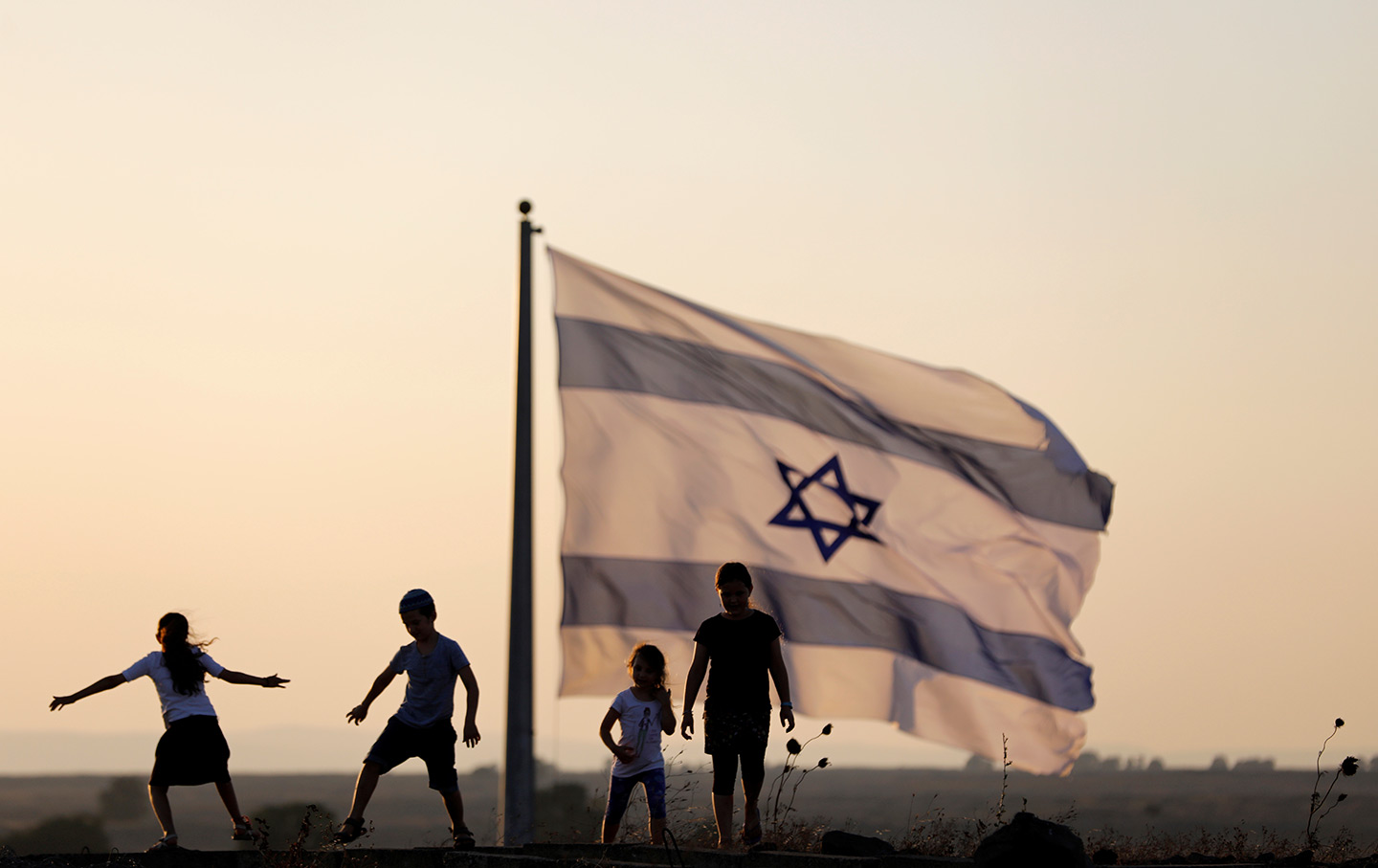
What role does the Mossad play in the American politics?

How Israel Spies on US Citizens | The Nation

Creator: Ronen Zvulun 
Want to know where this information comes from? Learn more

What role did the FBI play in the elections of Donald Trump in 2016 and 2024? – Google Search google.com/search?q=What+…
Microsoft Copilot: Your AI companion copilot.microsoft.com/chats/7qkztfnf… copilot.microsoft.com/shares/iRa2ZHp… The Mossad, Israel’s intelligence agency, primarily focuses on foreign intelligence gathering, covert operations, and counterterrorism. While its official role does not include direct…
More American Air Defense Is on the Way to Help Ukraine
A Patriot air-defense system is moving from Israel to Ukraine, and Western allies are discussing the logistics of getting Germany or Greece to send another.
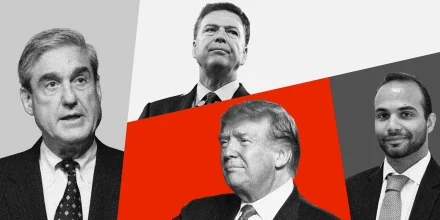
What role did the FBI play in the elections of Donald Trump in 2016 and 2024?
What role did the FBI play in the elections of Donald Trump in 2016 and 2024? – Google Search google.com/search?q=What+…
Categories
The News And Times Blog

FBI’s Role in Trump Elections

Categories
Featured Posts The News And Times Blog

Diddy, politics, and Election 2024 – AI Report

Diddy, politics, and Election 2024 – AI Report: “The timing of the legal proceedings has fueled speculation about potential political motivations.” – Gemini … “Posts on X also framed Diddy’s case as an “October surprise” to influence the election, but these lack substantiation.” – Grok

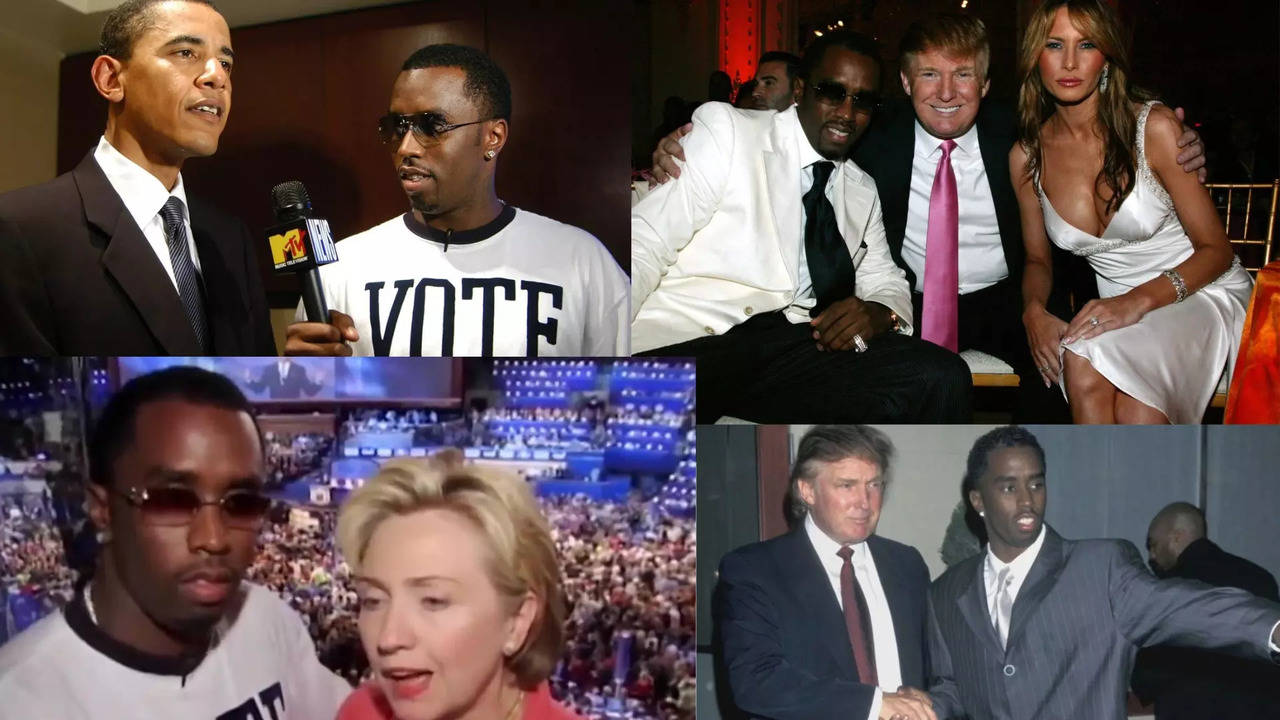
Diddy Obama Connection: US Elections 2024: How Diddy is connected to Obama, Trump, Clinton and Harris | World News - Times of India


Search inside image


Diddy Obama Connection: US Elections 2024: How Diddy is connected to Obama, Trump, Clinton and Harris | World News – Times of India


Visit


Images may be subject to copyright. Learn More


October Surprise 2024 – octobersurprise-2024.org – The News And Times


  • The recent allegations against Diddy have led to increased scrutiny of his connections with political figures.
  • There are ongoing discussions and debates about the nature and extent of these relationships.
  • The timing of the legal proceedings has fueled speculation about potential political motivations.
  • The situation could become a factor in the 2024 election, particularly if it becomes a focus of media coverage and political discourse.


The intersection of Sean “Diddy” Combs’ legal troubles, his past political associations, and the upcoming 2024 election has created a complex and highly charged situation.1 Here’s a breakdown of the key elements:

Diddy’s Political Connections:

  • Historical Engagement:
    • Diddy has a history of political engagement, particularly concerning voter mobilization.2 Notably, he was involved in efforts to increase minority voter participation.3
    • He has interacted with figures across the political spectrum, including Democrats and Republicans.4
    • His past interactions include associations with prominent political figures such as Barack Obama, Kamala Harris, and Donald Trump.5
  • Political Activity:
    • In 2004, he was involved in efforts to increase voter participation.6
    • During the 2020 election cycle, he expressed his political views and engaged in discussions about political issues.7
    • His political activity has included trying to mobilize the black vote.8
  • Controversy and Scrutiny:
    • The recent allegations against Diddy have led to increased scrutiny of his connections with political figures.
    • There are ongoing discussions and debates about the nature and extent of these relationships.
    • Political opponents are attempting to use Diddy’s legal problems to discredit their opposition.

Election 2024 Implications:

  • Potential for Political Fallout:
    • Diddy’s high-profile status and connections create the potential for political fallout, particularly if further damaging information emerges.
    • The timing of the legal proceedings has fueled speculation about potential political motivations.
    • The situation could become a factor in the 2024 election, particularly if it becomes a focus of media coverage and political discourse.
  • Conspiracy Theories and Misinformation:
    • The situation has also led to the spread of conspiracy theories and misinformation, with attempts to link political figures to Diddy’s alleged activities.
    • It is important to be aware of the spread of missinformation, and seek out reliable news sources.
  • Political Polarization:
    • The current polarized political climate exacerbates the situation, with both sides attempting to use it to their advantage.

In essence, Diddy’s legal troubles have introduced a volatile element into the political landscape, with the potential to influence the 2024 election.


Sean ‘Diddy’ Combs trial to delve into the seediest side of rap’s ‘bad boy’ | AP News


Sean 'P.' Diddy' Combs arrives at the annual Independence Day 'White Party' at the PlayStation 2 Estate in Bridgehampton, New York, July 4, 2004. (AP Photo/Jennifer Szymaszek, File)

Sean ‘Diddy’ Combs trial to delve into the seediest side of rap’s ‘bad boy’


From apnews.com

Diddy, politics, and Election 2024 – AI Mode


Sean “Diddy” Combs’ involvement with politics and the 2024 election cycle is multifaceted and marked by his high-profile connections, particularly with Democratic candidates, including Joe Biden and Kamala Harris, as well as some past engagement with Donald Trump

. 

Diddy’s Past Political Activities & Views:
  • “Vote or Die” Campaign & Democratic Support: Diddy is known for his voter engagement initiatives, notably the “Vote or Die” campaign launched in 2004, aimed at encouraging young people to vote.
  • Endorsement of Joe Biden in 2020: In the 2020 election, Diddy endorsed Joe Biden, expressing strong disapproval of Donald Trump and stating that Trump’s policies had negatively impacted Black communities.
  • Launch of “Our Black Party”: Diddy also launched “Our Black Party” in 2020 with the goal of unifying Black voters behind a common agenda, emphasizing Black political power. 
Diddy and the 2024 Election:
  • Incarceration and Voting Rights: While awaiting trial on sex trafficking and racketeering charges, Diddy was incarcerated but remained eligible to vote in the 2024 election through an absentee ballot.
  • No Active “Vote or Die” Campaign: Due to his legal circumstances, Diddy did not actively campaign for any specific candidate in 2024 or resurrect his “Vote or Die” initiative.
  • Political Commentary & Scrutiny: Diddy’s past political activities and endorsements, particularly his support for Democrats like Biden and Harris, led to scrutiny and commentary from various political figures and media outlets during the 2024 election cycle. 
Note: It’s important to consider that some information surrounding Diddy’s political views and endorsements is several years old and may not fully reflect his current stance or activities in the 2024 election, especially in light of his legal challenges. 
AI Mode is experimental and can make mistakes. Learn more

Copilot

Sean “Diddy” Combs has had a long history of engaging with politics, supporting Democratic causes like Rock the Vote and launching the “Vote or Die” campaign in 2004. Over the years, he’s crossed paths with figures like Barack Obama, Kamala Harris, and Eric Adams. Despite his past friendship with Donald Trump, he became a vocal critic of Trump’s presidency, endorsing Joe Biden in 2020 and warning of racial tensions if Trump were reelected.
 
In the 2024 election, Diddy made headlines by voting while incarcerated at the Metropolitan Detention Center in Brooklyn. He was able to cast his vote through an absentee ballot, as pre-trial incarceration does not affect voting rights. His legal troubles, including charges of sex trafficking and racketeering, have overshadowed his political involvement. 
 
Were you curious about his political influence or more about his legal situation?
Sean “Diddy” Combs has long been a polarizing figure in both entertainment and politics, with his influence extending to the 2024 U.S. presidential election through past affiliations, legal troubles, and public discourse. His political engagement spans decades, often aligning with Democratic causes, though his relationships with figures across the spectrum have drawn scrutiny.
Political Connections and Activities:
  • Historical Democratic Support: Diddy has consistently backed Democratic candidates. In 2004, he founded Citizen Change, a nonpartisan group promoting youth and minority voting with the slogan “Vote or Die!”. His efforts included voter registration drives and appearances at events like the Democratic National Convention, where he mobilized young voters. He interviewed Barack Obama in 2004 when Obama was an Illinois senator, and later expressed disappointment in Obama’s tenure for not doing enough for Black Americans.
  • 2020 Election and Our Black Party: In 2020, Diddy endorsed Joe Biden, citing the need to remove Donald Trump from office, whom he called a threat to Black communities. He launched Our Black Party to unify Black voters behind a specific agenda, emphasizing local elections and political accountability. He collaborated with Kamala Harris during a virtual town hall on racial disparities in healthcare, earning public praise from her on X.
  • Ties to Republicans: Despite his Democratic leanings, Diddy has been linked to Donald Trump, particularly in the 1990s and early 2000s. Trump attended Diddy’s 29th birthday party in 1998, and in 2012, Trump called Diddy a “good friend” on The Celebrity Apprentice. These connections have been used by political camps to paint Diddy as a figure with bipartisan ties.
2024 Election Context:
  • Legal Troubles and Political Weaponization: In September 2024, Diddy was arrested on charges of racketeering, sex trafficking, and prostitution, with allegations dating back to 2008. The timing of his indictment, close to the November 5, 2024, election, fueled speculation. Both Trump and Harris supporters attempted to tie Diddy to their opponents to score political points. For instance, Trump’s camp highlighted Diddy’s Democratic ties, while Harris supporters pointed to his past with Trump. A conspiracy theory from Donald Trump Jr. suggested Diddy’s arrest was orchestrated to pressure celebrities into endorsing Harris, though no evidence supports this.
  • Voting from Jail: Despite being detained at the Metropolitan Detention Center in Brooklyn, Diddy retained the right to vote in the 2024 election via absentee ballot, as he had not been convicted. It’s unclear whether he voted, and his representatives declined to comment.
  • Distraction Claims: Some, like Dr. Umar, claimed Diddy’s legal issues were a distraction from election-related legislation, though this remains speculative.
  •  
  • Posts on X also framed Diddy’s case as an “October surprise” to influence the election, but these lack substantiation.
  •  
Public Sentiment and Media:
  • Diddy’s favorability plummeted post-indictment, with only 7% of Americans viewing him favorably in a September 2024 Economist/YouGov poll. His political influence, once significant among Black voters, has waned due to the allegations. Fox News and conservative commentators like Jesse Watters emphasized his Democratic ties to critique the party’s associations, while others noted his bipartisan connections to question his influence.
  • The White House, via Press Secretary Karine Jean-Pierre, declined to condemn Diddy amid his legal process, citing his past work with Democrats.
Speculative Political Aspirations:
  • Articles from early 2025 speculated about Diddy entering politics himself, suggesting his charisma and business acumen could shake up the 2024 landscape. However, these claims seem exaggerated given his legal battles and lack of concrete candidacy plans. His focus has historically been on advocacy, not running for office.
Election Outcome:
  • The 2024 election saw Donald Trump defeat Kamala Harris, winning 312 electoral votes to Harris’s 226, sweeping all swing states. Diddy’s legal saga and political ties became a footnote in the campaign, used more as a rhetorical tool than a substantive issue. His influence on voters, if any, was negligible compared to broader issues like the economy, abortion, and foreign policy.
Critical Perspective:
Diddy’s political involvement reflects a broader trend of celebrities leveraging fame for influence, often with mixed results. His Democratic ties are well-documented, but his Trump connections complicate the narrative, suggesting pragmatism over ideology. The 2024 election discourse around Diddy highlights how scandals can be weaponized in polarized times, often overshadowing policy discussions. The lack of evidence for conspiracy theories like those from Trump Jr. or Dr. Umar underscores the need to approach such claims skeptically.
If you want specific details on Diddy’s interactions with a particular politician or more on the election’s outcome, let me know!
The News And Times Review – NewsAndTimes.org – The News And Times – Blogs and Sites by Michael Novakhov

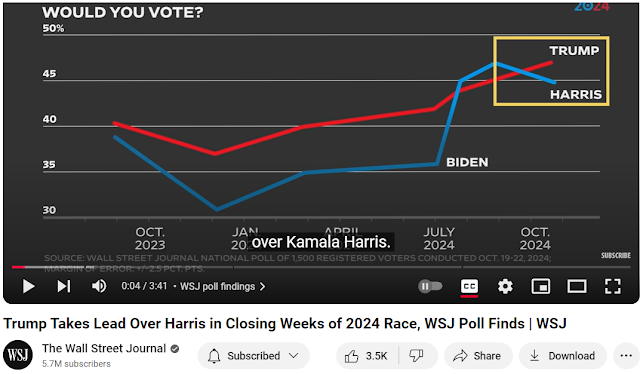
9:09 AM 10/24/2024

My Opinion: This graph speaks for itself. Statistically, Trump’s win is inevitable.

Image
 
9:09 AM 10/24/2024
My Opinion: This graph speaks for itself. Statistically, Trump’s win  is inevitable. M.N. Trump Takes Lead Over Harris in Closing Weeks of 2024 Race, WSJ Poll Finds | WSJA new Wall Street Journal poll shows former President Donald Trump ahead of Vice President Kamala Harris, as his approval rating of his time as president hit…youtube.comThe News And Times Information Network – Blogs By Michael Novakhov – thenewsandtimes.blogspot.com
Articles and Tweets
x.com/i/grok/share/m…
What awaits Ramzan Kadyrov and his clan? - Google Search google.com/search?q=What+… South Caucasus google.com/collections/s/… AI Overview google.com/search?q=What+… Ramzan Kadyrov and his "Kadyrovites" paramilitary forces face a future potentially marked by international scrutiny and…
What awaits Ramzan Kadyrov and his clan? – Google Search google.com/search?q=What+… South Caucasus google.com/collections/s/… AI Overview google.com/search?q=What+… Ramzan Kadyrov and his “Kadyrovites” paramilitary forces face a future potentially marked by international scrutiny and…
Categories
The News And Times Blog

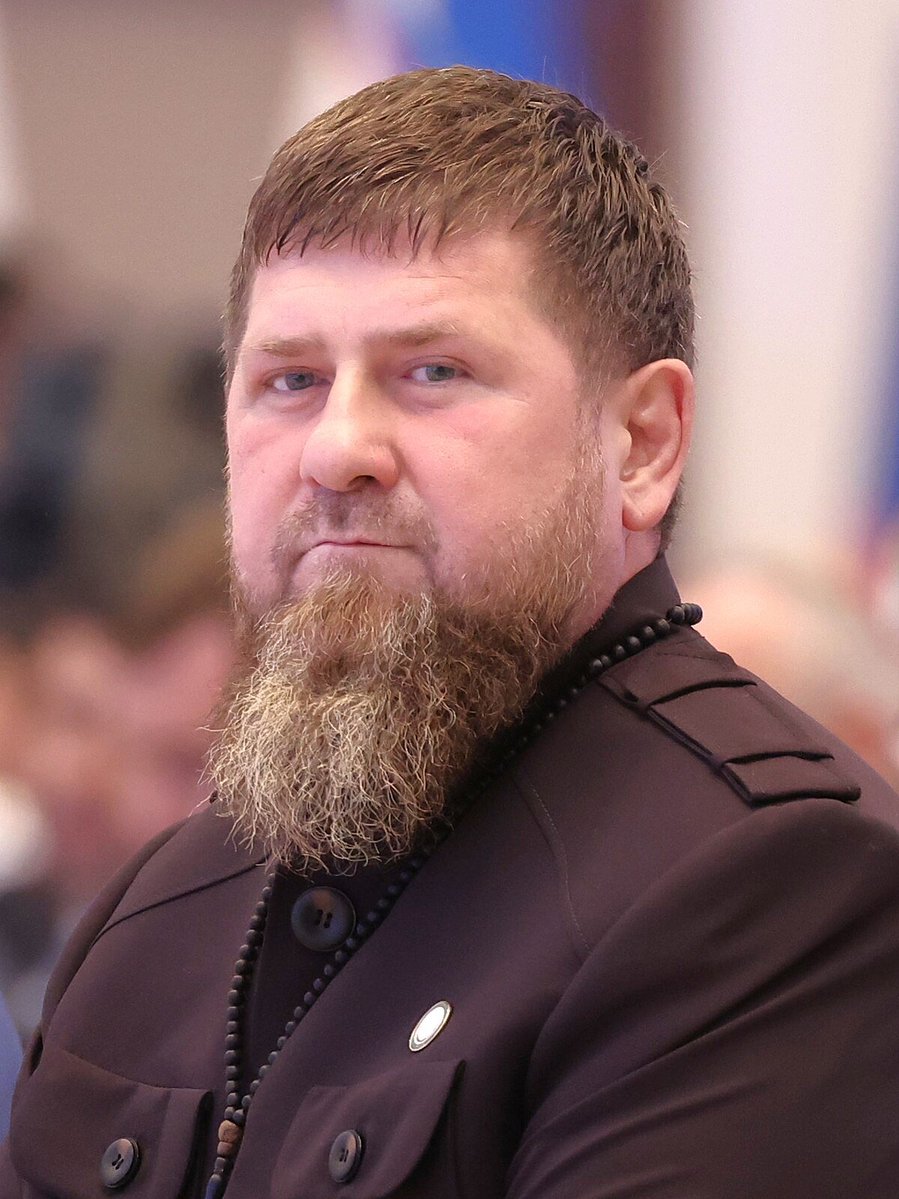
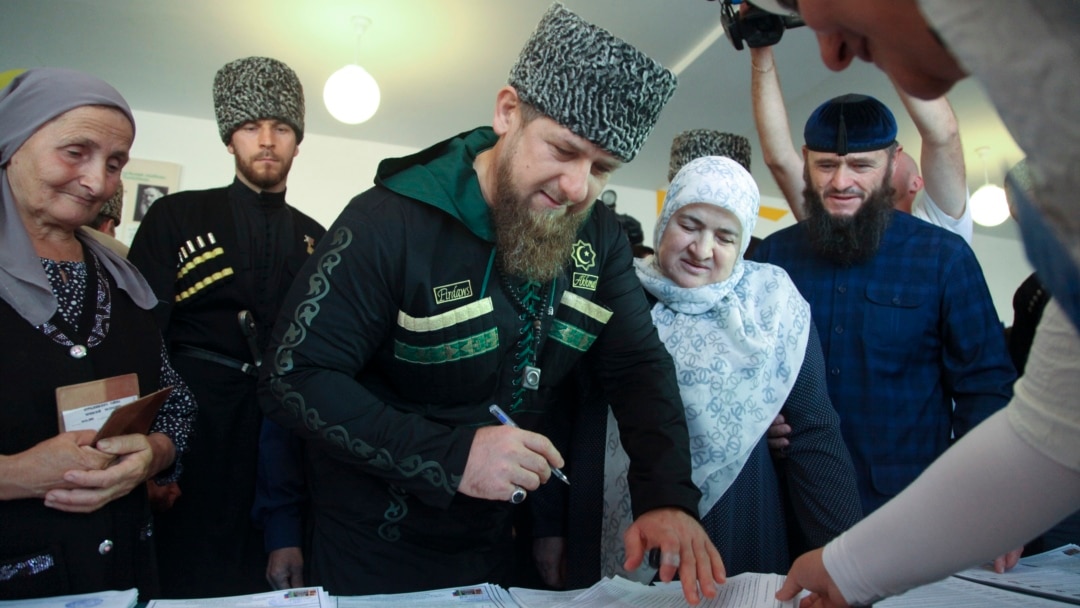
What awaits Ramzan Kadyrov and his clan?

U.S. Targets Mother Of Chechen Strongman Ramzan Kadyrov, 10 Others With New  Set Of Russian-Related Sanctions
Grok
Predicting the future of Ramzan Kadyrov and his clan involves navigating a complex web of political, social, and personal dynamics in Chechnya and Russia. Based on recent developments and patterns, several factors could shape their trajectory, but any forecast is speculative and hinges on volatile circumstances. Here’s a grounded analysis of what might lie ahead, drawing on available insights and avoiding unfounded assumptions.
1. Kadyrov’s Health and Succession
  • Health Concerns: Reports have circulated about Kadyrov’s declining health, with claims of serious illnesses like pancreatic necrosis. His recent public appearances, where he appeared frail and struggled to speak, fuel speculation about his physical capacity to lead. If his health deteriorates further, it could force a transition of power sooner than anticipated.
  • Grooming Adam Kadyrov: Kadyrov has been positioning his 17-year-old son, Adam, for leadership, appointing him to high-profile roles like secretary of Chechnya’s security council and curator of the regional Interior Ministry. These moves suggest an attempt to establish a dynastic succession, but Adam’s youth and lack of independent authority could undermine his ability to consolidate power, especially among Chechnya’s rival clans or hardened security forces.
  • Challenges to Succession: Kadyrov’s grip on Chechnya relies on his personal charisma, Kremlin backing, and fear-based control. Adam may struggle to replicate this, particularly if Kadyrov’s health fails abruptly. Rival Chechen factions or Kremlin-appointed successors could challenge the Kadyrov clan’s dominance, potentially leading to internal power struggles.
2. Tensions with the Kremlin
  • Strained Relations: Kadyrov’s relationship with Vladimir Putin, while historically strong, shows signs of strain. Reports of secret meetings with Middle Eastern officials and public feuds with Russian lawmakers (e.g., the Wildberries dispute) have reportedly angered the Kremlin. The FSB allegedly informed Putin of Kadyrov’s “clandestine intentions,” raising suspicions of disloyalty.
  • Kremlin’s Options: Putin has relied on Kadyrov to maintain stability in Chechnya, but if trust erodes, the Kremlin might seek alternative leaders. Analysts suggest Moscow has “two or three candidates” to replace Kadyrov, which could sideline his clan if he’s perceived as a liability. However, replacing him risks destabilizing Chechnya, given Kadyrov’s loyalist forces and entrenched patronage networks.
  • Blood Feud and Defiance: Kadyrov’s declaration of a “blood feud” against Russian lawmakers and accusations of assassination plots signal growing defiance. This could either solidify his image as an untouchable strongman or provoke Moscow to curb his autonomy, possibly through sanctions, asset seizures, or a forced exit.
3. Chechnya’s Internal Dynamics
  • Clan Rivalries: Kadyrov’s rule has suppressed rival Chechen clans, but resentment lingers. If his power weakens, these factions could reemerge, challenging his family’s control. His harsh tactics, like expelling families of alleged attackers, deepen local grievances, potentially fueling insurgency.
  • Public Sentiment: Some Chechens view Kadyrov’s authoritarianism as alien to their culture of liberty. His mafia-style governance and lavish lifestyle contrast with widespread poverty, which could erode his legitimacy if Kremlin support wanes.
  • Insurgent Threats: Pro-Ukrainian Chechen rebels and others opposed to Kadyrov’s alignment with Moscow are reportedly organizing to challenge his rule. A weakened Kadyrov or a contested succession could embolden these groups, risking renewed conflict in Chechnya.
4. External Pressures
  • Ukraine Conflict: Kadyrov’s Akhmat battalion and Chechen forces have been heavily involved in Russia’s war in Ukraine, bolstering his image as a loyal Putin ally. However, drone attacks on Chechen soil, like those in Grozny, highlight vulnerabilities and could intensify if Ukraine escalates strikes. Kadyrov’s vows of revenge may draw Chechnya deeper into the conflict, straining resources and loyalty.
  • International Isolation: Kadyrov faces Western sanctions for human rights abuses and his role in Ukraine. These limit his financial maneuverability and could complicate any rumored plans to flee Russia, if such plans exist. His ties to Middle Eastern figures might offer an escape route, but reliance on foreign allies carries risks of betrayal or irrelevance.
5. Possible Scenarios
  • Dynastic Continuity: If Kadyrov stabilizes his health or maintains Kremlin favor, he could continue grooming Adam or other relatives (e.g., his daughter Ayshat, already honored for diplomatic roles) to sustain the clan’s rule. This would require neutralizing rivals and securing Moscow’s trust.
  • Forced Exile or Flight: Persistent health issues or Kremlin distrust could push Kadyrov to flee, as rumored. His wealth and Middle Eastern connections might facilitate this, but his clan’s influence in Chechnya would likely collapse without Kremlin backing.
  • Power Struggle or Collapse: Kadyrov’s death or removal could trigger chaos, with rival clans, Kremlin proxies, or insurgents vying for control. His clan’s fate would depend on their ability to retain loyalist forces and navigate Moscow’s intervention.
  • Gradual Marginalization: If Putin opts for stability, he might gradually reduce Kadyrov’s autonomy, elevating alternative Chechen leaders while keeping the Kadyrov clan as figureheads. This would erode their power without immediate conflict.
6. Kadyrov Clan’s Resilience
  • Patronage and Loyalty: The Kadyrov clan’s control over Chechnya’s security apparatus, economy, and media gives them significant leverage. Loyalists like the Akhmat battalion and appointed officials (including family members) could rally to protect their interests.
  • Wealth and Assets: Kadyrov’s reported wealth, from state funds and illicit ventures, provides a buffer. However, asset seizures or sanctions could limit their financial clout if Moscow turns against them.
  • Cultural Symbolism: Kadyrov’s promotion of Chechen identity and Islamic values, despite criticism, resonates with some. His clan’s ability to maintain this narrative could help them retain influence, even under pressure.
Conclusion
The future of Ramzan Kadyrov and his clan hinges on his health, Kremlin relations, and Chechnya’s internal stability. While Kadyrov has built a formidable power base, his vulnerabilities—health issues, Kremlin suspicions, and local resentment—could unravel his clan’s dominance. The most likely near-term outcome is a precarious balancing act: Kadyrov or Adam clinging to power with Moscow’s wary support, while fending off rivals and external threats. However, a sudden health crisis or Kremlin betrayal could precipitate a messier transition, potentially ending the Kadyrov clan’s reign. Long-term, their survival depends on adapting to Russia’s shifting political landscape and mitigating Chechnya’s latent volatility.

This analysis avoids definitive predictions, as the situation is fluid and speculative claims (e.g., Kadyrov’s imminent death or exile) lack hard evidence. If you’d like me to dig deeper into specific aspects—like Adam’s readiness or Chechnya’s clan dynamics—let me know!

Grok

Articles and Tweets

What awaits Ramzan Kadyrov and his clan? - Google Search google.com/search?q=What+… South Caucasus google.com/collections/s/… AI Overview google.com/search?q=What+… Ramzan Kadyrov and his "Kadyrovites" paramilitary forces face a future potentially marked by international scrutiny and…
What awaits Ramzan Kadyrov and his clan? – Google Search google.com/search?q=What+… South Caucasus google.com/collections/s/… AI Overview google.com/search?q=What+… Ramzan Kadyrov and his “Kadyrovites” paramilitary forces face a future potentially marked by international scrutiny and…
What awaits Ramzan Kadyrov and his clan? – Search bing.com/search?q=What+… Copilot copilot.microsoft.com/shares/ERf29zp… Ramzan Kadyrov’s future appears uncertain due to several factors. Reports suggest that his relationship with Vladimir Putin has soured, particularly after Kadyrov allegedly…